Trends can be tempting, especially when brands want to stay relevant. Short-term campaigns or promotions may lean into what’s popular, but following every trend generally does not reflect a brand’s true identity. Strong brands focus on long-term relevance and building a foundation that lasts even as trends come and go.
The Power of Timeless Branding
What makes something timeless is that it has the ability to grow and change without losing what makes it recognizable. It isn’t just about aesthetics, it’s about consistency that earns trust, builds loyalty and supports sustainable growth. Consider Apple. Over the years its products and marketing have changed, but the brand’s focus on simplicity and innovation has been consistent, which is why people instantly recognize and trust them around the world. Instead of asking, “what is trending right now?” the better question is, “what will stand the test of time and still feel meaningful in five or ten years?”

Design With Purpose
Branding should be specific and intentional. It should speak clearly to the audience you are trying to reach. Short term trends, on the other hand, are created for mass appeal. They are meant for everyone, not to connect with one particular group of people. If you want your brand to reflect your values, mission and perspective, it needs to be shaped around your audience and what they expect. All of these things are what creates real emotional connection.
For example, minimalist design often works for health and beauty brands because it communicates cleanliness and trust, but compared to tech or fashion brands, more expressive design may better suit an audience that cares more about innovation or creativity. Audience research plays a central role in these decisions, showing what resonates with your audience, what sets your brand apart and how to stay familiar enough to feel trusted while showing your unique identity.
Consistency also plays an important role in building recognition. Long-running advertising campaigns in the insurance industry show how familiarity can strengthen a brand over time. Companies like GEICO, Aflac, State Farm and Allstate have used recognizable characters and mascots for years. While individual ads may change to match current formats or humor, the familiar characters remain consistent and help audiences instantly recognize the brand.
Using Trends Strategically
Some brands use trends successfully by adapting them into campaigns while keeping their overall brand identity consistent. For example, Nutter Butter has embraced surreal humor on social media platforms like TikTok and Instagram, creating content that feels trend-driven while still matching the brand’s playful personality. Similarly, Fruit Roll-Ups joined a viral trend where people wrapped ice cream inside a fruit roll-up to create a crunchy frozen snack, turning user behavior into brand engagement. Even outside of social media, companies like Sherman Buildings reference cultural trends in their billboards while maintaining the same tone and humor style used across their campaigns.
How We Build Brands That Last
At Neuger, we believe a brand is more than a logo or simple tagline. It is an intangible perception shaped by every interaction and constantly evolving in the minds of your audience. Our process captures the characteristics that define an organization and translates them into a brand promise that builds value, supports long-term goals and ensures the brand remains recognizable, meaningful and adaptable over time.
Our Branding and Design Process
1. Discovery & Brand Audit
We begin by reviewing the organization’s existing brand materials, messaging and visual guidelines to understand how the brand is currently presented. This step helps identify what is working, what should evolve and how the brand is currently perceived by its audience.
2. Audience & Positioning Strategy
Next we define how the brand should stand out while still feeling familiar and trustworthy. This step focuses on understanding the audience’s expectations, behaviors and motivations so the brand communicates clearly and connects in a meaningful way.
3. Visual Identity Development
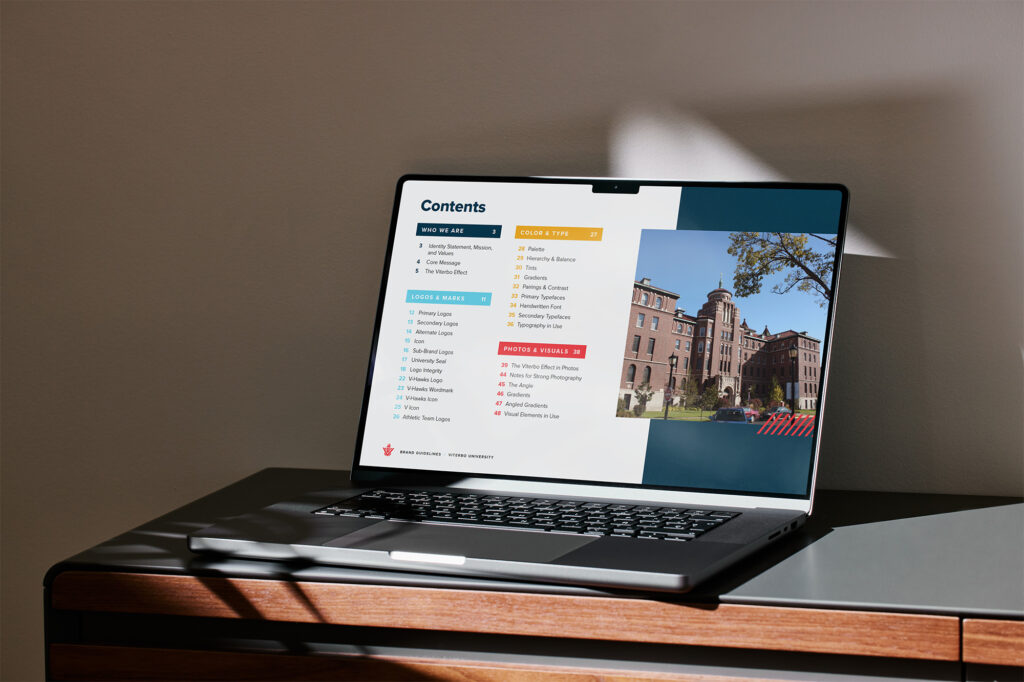
Once the strategy is clear we develop the visual identity. This includes logo development, typography, color systems and supporting design elements that communicate the brand’s personality and work consistently across digital and print platforms. Together these elements form a flexible system that can be used across marketing materials, social media and digital communications.
4. Brand Expression & Content Tools
To help the brand live beyond the logo we create supporting graphic elements and layouts that allow the identity elements to be used together while keeping the brand recognizable and cohesive.
5. Implementation & Long-Term Consistency
Finally we provide guidelines and tools that help organizations maintain brand consistency. This ensures the brand can evolve and adapt while remaining recognizable and aligned with its core identity.
Strong Brands Start with Strategy
Building a strong brand requires more than following the latest design trend. It takes research, strategy and a clear understanding of how your audience connects with your organization. By focusing on consistency and long-term relevance, brands can remain recognizable and trusted for years to come. If your organization is considering a brand refresh or wants to strengthen its identity, our team at Neuger can help guide the process from strategy to design and implementation.