While there are many design styles that go in and out of the spotlight, one that has stuck around is minimalism. Minimalism has been trending in recent years, but whether or not the original style can maintain its dominance has been a topic of conversation. Modern audiences appreciate the clean simplicity that allows us to process information instantly, but as feeds become more crowded, a pressing question arises: do we now need designs with more personality to truly capture our attention?
What Is Minimalist Design?
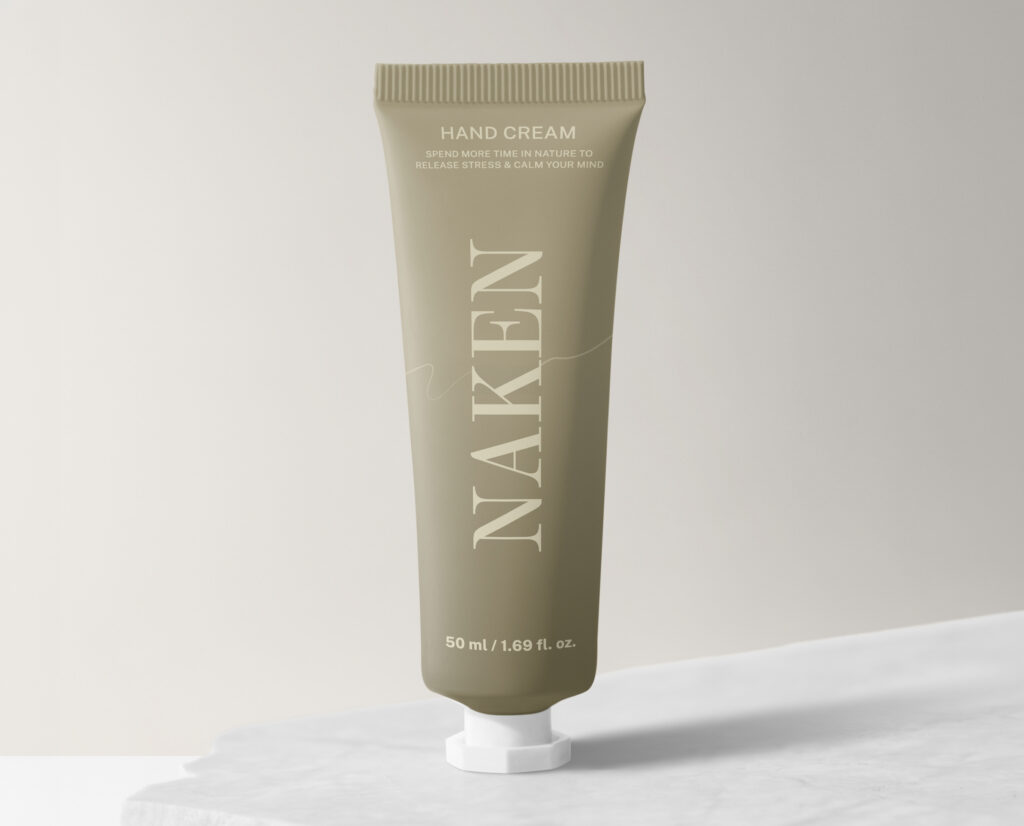
At its core, minimalism is defined by intentional simplicity. Its most recognizable characteristics include generous white space, restrained color palettes, clean typography and crisp lines. This style focuses on containing a message that feels obvious. It excludes any clutter to keep the emphasis on the main idea. We see this approach everywhere, from modern packaging to corporate branding. Minimalist design is evident in popular brands like Apple and Nike.
Why Minimalism Stole the Spotlight
Minimalism’s prolonged popularity directly aligns with our shift toward fast-paced digital media. Less clutter on a digital platform means faster reading, easier navigation and effortless comprehension. On small screens, we see an overload of information, so if the content is not quick and easy, then it is not catching our attention. Minimalism is a style that has a clear layout, has very legible typography and feels balanced. This replaces feelings of confusion or overwhelm with an aesthetic of calm sophistication. It brings the core idea of “less is more” to life.
Minimalist, But Make It Loud
While minimalism is certainly still trending, the design world is pivoting away from the bare-bones layouts in favor of hybrid styles. It is minimalism with some flair. Designers are combining minimalist designs with bold fonts, illustrations and stronger storytelling. Audiences still crave clarity, but they also demand emotional resonance. Although many styles have taken on the minimalist look, this shift has especially given rise to bold minimalism. Some are calling it “confident typography”.
This evolution responds directly to user behavior, as designers have learned that the clean look works to provide a clear message, but as Anindita Barik, SEO Executive at PromotEdge, explains, “If your headline is elegant but invisible at that speed, you’ve failed.”
Even on shelves the style has needed an upgrade as minimalist characteristics cause many products to look nearly identical, then causing them to be invisible. Din Studio states that “bold minimalism is the evolution of a minimalist style that is larger, more visible and undoubtedly more appealing.” It allows designers to keep the modern style without looking too generic.
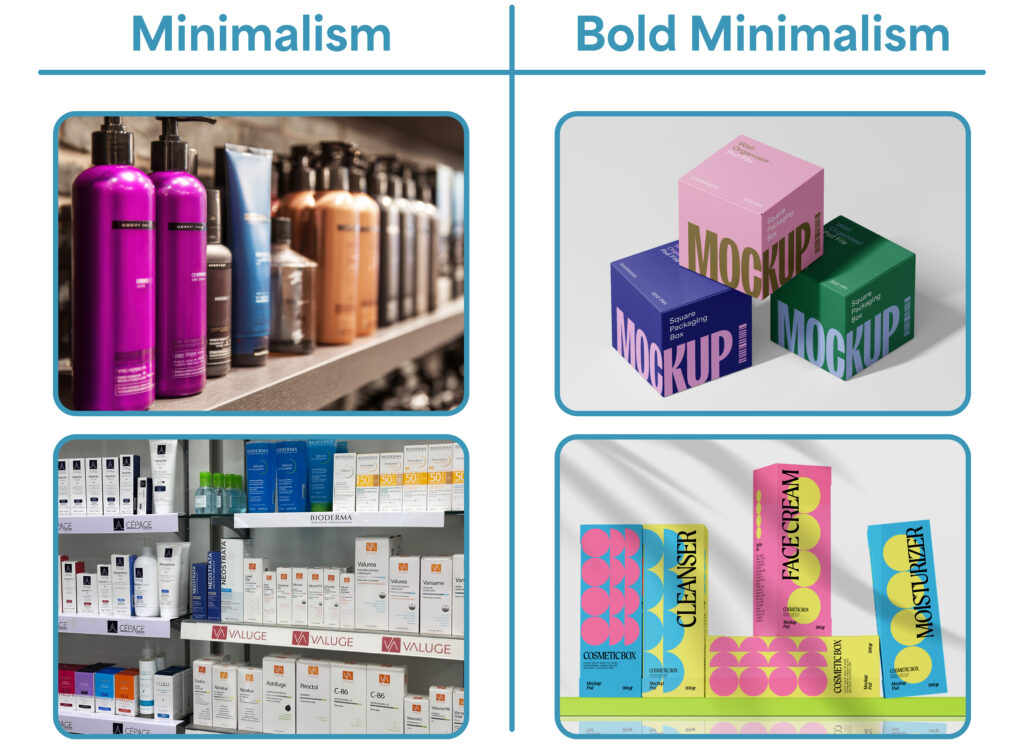
Ultimately, minimalism isn’t fading away – it’s evolving. Other styles are adopting its core concepts, but adding to the design with high contrast color and confident type among many formats. However, execution is everything; a design must feel intentional rather than unfinished. A brand’s ultimate job is to stand out, not blend in, something traditional minimalism can no longer guarantee. By pairing minimalist discipline with more expressive styles, brands can hit the sweet spot of being memorable, but still trendy.
Need more for your brand?
Lets discuss ways our team can help.
Sources include: Outsource Accelerator, Eman Sarfraz, PromotEdge, Din Studio, Magier and ManyPixels.