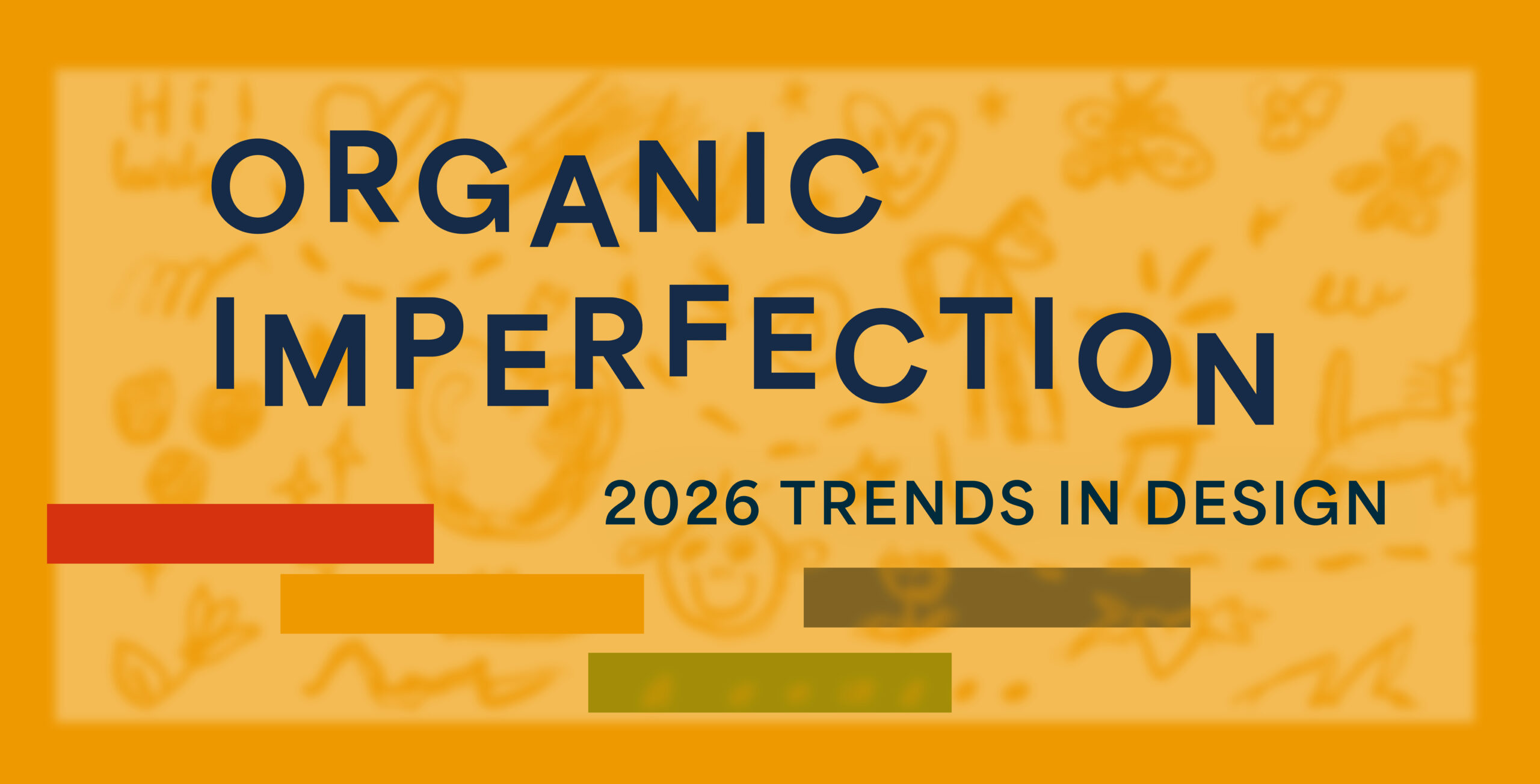
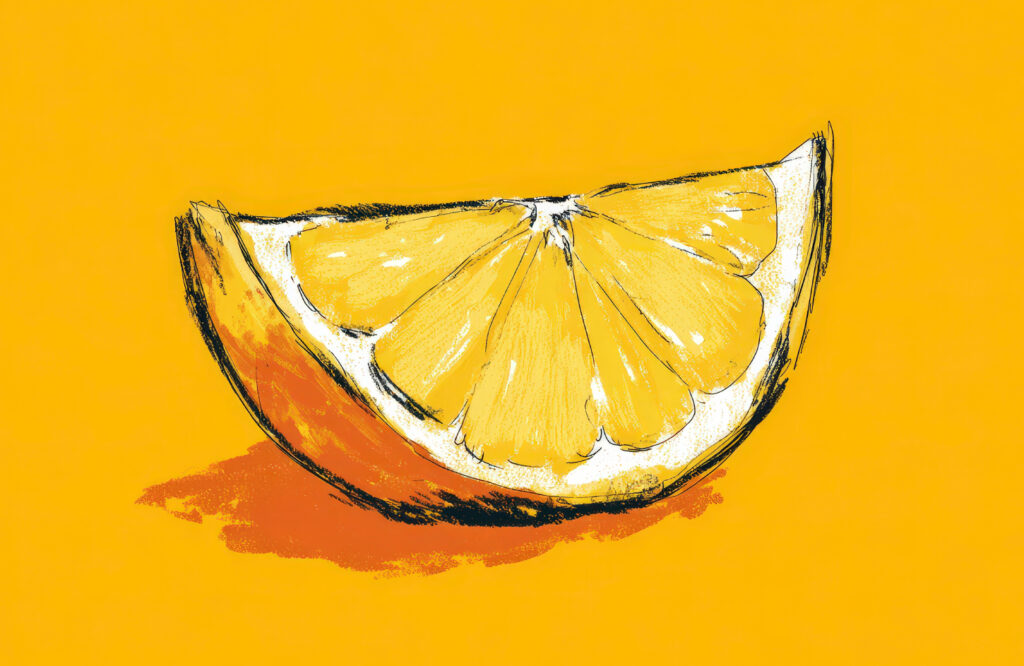
There are many new trends in design in 2026; one on the rise being organic imperfection. Closely related to the “naive design” aesthetic, organic imperfection is design that feels human made, rejecting the hyper-polished look. It is not the polished AI designs, but rather includes imperfect line work, texture overlays and rough edges; the sort of “mistakes” that AI would be sure to avoid. This is the type of work that many are currently drawn to as we value the idea of the human touch.
What It Is (And How to Create It)
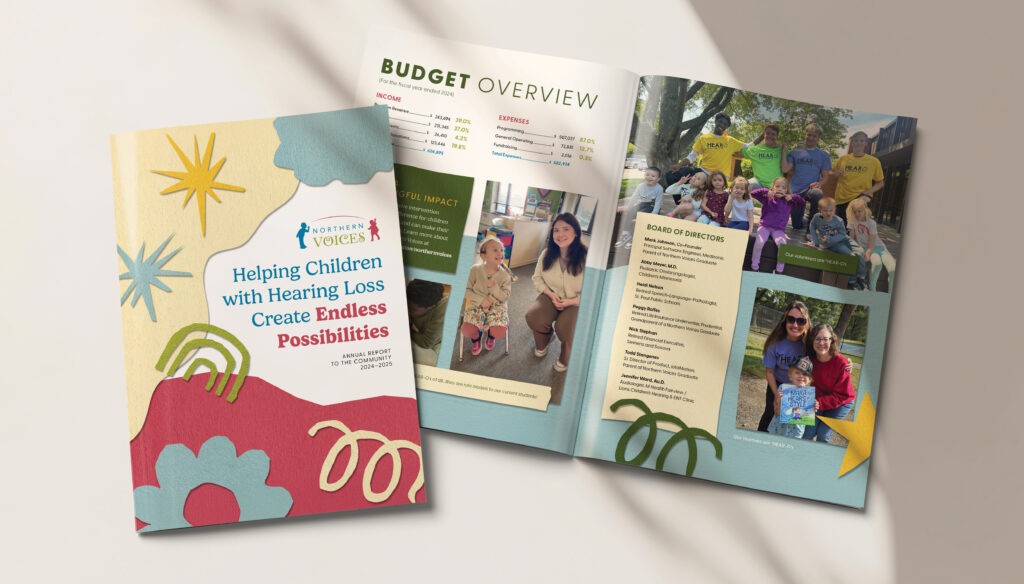
Organic imperfection is created by using various techniques such as hand drawn elements, rough edges and uneven type. Some describe this year of design as a “creative rebellion where imagination rules”, and the focus is moving away from the pixel-perfect content. It is art that is authentic, and what would have been considered “messy” in the past, before our art became “perfect.” A key idea to keep in mind when creating this sort of art work is that it should be intentional imperfections. Include texture, like grainy overlays, give it an asymmetrical balance and include typography that “wobbles just enough to feel human.” It can be the hand drawn accents on graphics, irregular shapes and simply just breaking the rules a bit. Organic imperfection is embracing the “mistakes.”
When executing this style, the Golden Rule is intentionality.To successfully incorporate organic imperfection, designers are utilizing specific techniques:
- Hand drawn elements
- Loose edges
- Real shadows
- Uneven type
- Irregular shapes
- Texture overlays
- Imperfect line work
- Rough edges
Why It Attracts the Human Mind
The sudden craving for raw design isn’t just a fleeting preference – it is deeply rooted in human psychology. After years of clean, minimalist corporate branding, audiences are experiencing aesthetic fatigue, and are now gravitating towards the work that displays human imperfections and seems to break the rules a bit.
Data backs up this appeal to organic imperfection. Adobe’s 2024 Creative Trends Report shows a “30 percent rise in searches for hand drawn and imperfect design elements.” Studies have actually proven that humans prefer and crave slight imperfections in general – as society tends to be attracted to things that feel more authentic – rather than things that are too perfect, which may feel alien or mass produced. In a digital space, it is key to use this technique to allow the work to feel comforting, as Daria Novoseletska, author for the cymes explains, “the goal of a designer is no longer just usability – it’s emotional comfort.”
One psychological phenomenon called the Pratfall Effect “suggests people and products become more likable when they display small, harmless flaws.” This effect was discovered by psychologist Elliot Aronson, who overall found that even people themselves are more likeable when they make mistakes or have minor flaws. Another form of proof was an experiment in which there were two cookies, one displaying imperfections while the other appeared perfect. In this test, 66% of participants chose the “imperfect” cookie, “instinctively associating it with something more homemade, more real.” Overall, the evidence shows that humans prefer work that feels human made.
The AI Counter-Movement: Hunting for “Soul”
With AI continuing its rise, many designs are feeling sterile and algorithmic, causing imperfections to become valuable. A vast majority of Generative AI creations are symmetrical, glossy and spotless. While this has been fun to experiment with, it has also become excessive and now feels bland. Many of the AI pieces we see are nearly identical and are lacking a sense of uniqueness and warmth. Trends are showing that emotion is needed in design, and pieces that have no “flaws” are missing that aspect, as it simply feels too generated and non-human. Our society is not necessarily itching to eliminate AI, but rather use it in a way where we can combine it with our human touch. As explained by We and the Color, “AI tools generate flawless images, yet they lack soul.” It is like comparing a new cookie-cutter house to your childhood home.
How to Incorporate This Trend Into Your Brand
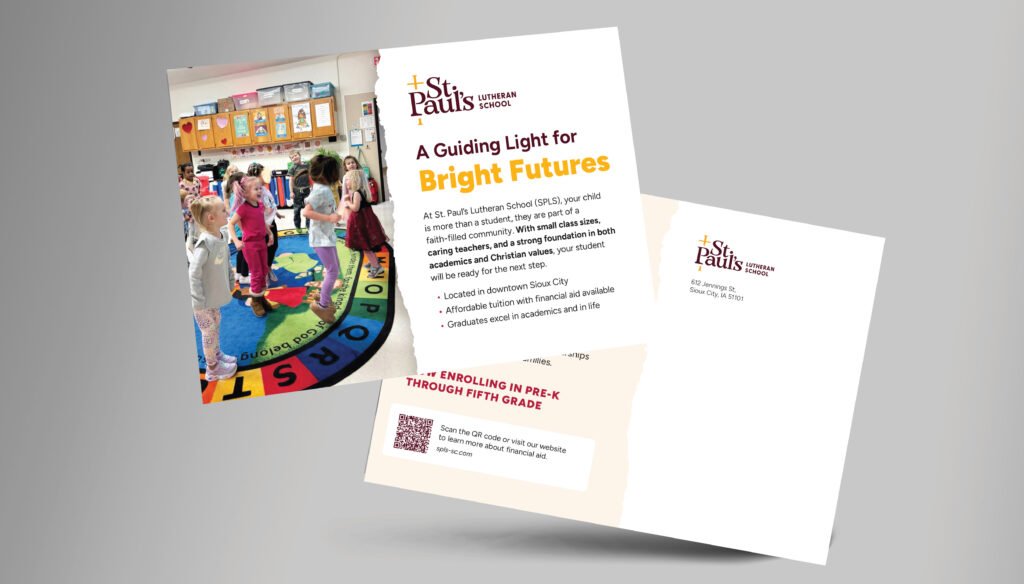
Brands should not just incorporate organic imperfection to align with what is trending, but to allow the brand to be unique, while others are becoming visually similar to one another. You can effectively use this trend by showing casual content, such as behind the scenes photos, and pieces that capture the more authentic side of your brand. Temporary materials like instagram stories and mailing pieces are another easy way to embrace organic imperfection. Applying a trend like this doesn’t mean that you need to change your brand entirely, but rather use it as an asset with your current pieces.
Craving Uniqueness Within Your Brand?
Lets discuss ways our team can help.
Sources include: The Creative Newsletter By Lindsay Marsh, Canva Newsletter, the cymes, Adobe, Kittle Blog, Krumzi Blog, Medium, We And The Color and Moo.