The past is becoming popular in the present. Nostalgia has become a great influence in current graphic design. Brands and designers are returning to familiar visuals that recall earlier decades while pairing them with current tools and digital platforms. This approach creates work that feels personal and grounded at a time when technology often feels distant and automated. By blending past and present, designers are responding to a wider desire for balance between precision and emotion. The result is design that feels warm and recognizable.
What Defines the Nostalgic Design Movement
This trend blends vintage aesthetics with modern execution to create emotional connections across generations. Visual references often come from the 1950s through the early 2000s, including 1970s psychedelia, 1980s neon, Y2K visuals and mid-century layouts. Common features include retro typography, muted and warm color palettes, grainy and textured overlays, hand-drawn illustrations and analog-inspired elements.
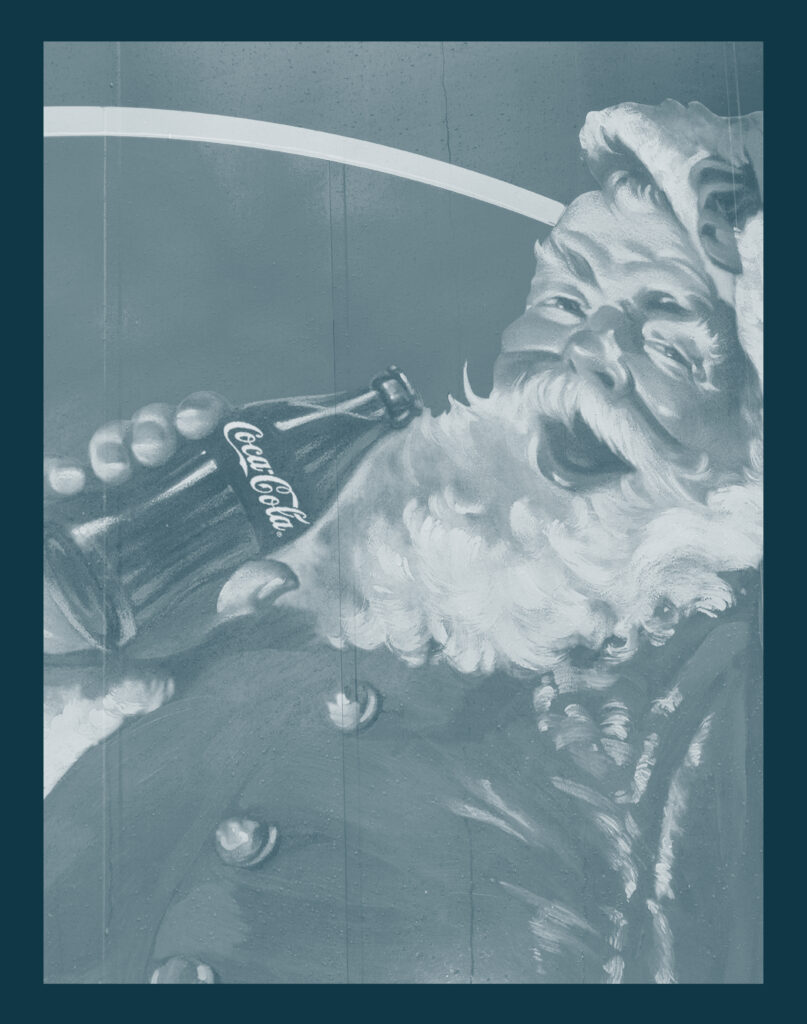
Several well-known brands have shown how nostalgia can strengthen modern campaigns. Coca-Cola frequently revisits earlier logo designs and packaging to reinforce familiarity during limited releases. Nike also draws heavily from the athletic styles of the 1980s and 1990s. The return of Polaroid’s film camera highlights the appeal of physical media, visual imperfections and spontaneous real-life moments. These brands demonstrate that nostalgic design works best when it is paired with clear messaging that fits current lifestyles.
Who Responds Most to Nostalgic Design?
Nostalgic design resonates most strongly with Millennials and Gen X, while still reaching older audiences. According to Pew Research Center, consumers aged 35 to 54 show the highest emotional response to nostalgic imagery today. These age groups grew up during periods now being revisited visually, which makes the cues feel familiar and personal. The current nostalgic design appeals to this age group, however nostalgic design comes in waves and each decade of what is considered to be “nostalgic” may appeal to a new generation. We tend to feel comfort in the memories of our youth, so this broad appeal gives nostalgic design a wide reach across generations.
Why Nostalgia Attracts Consumers
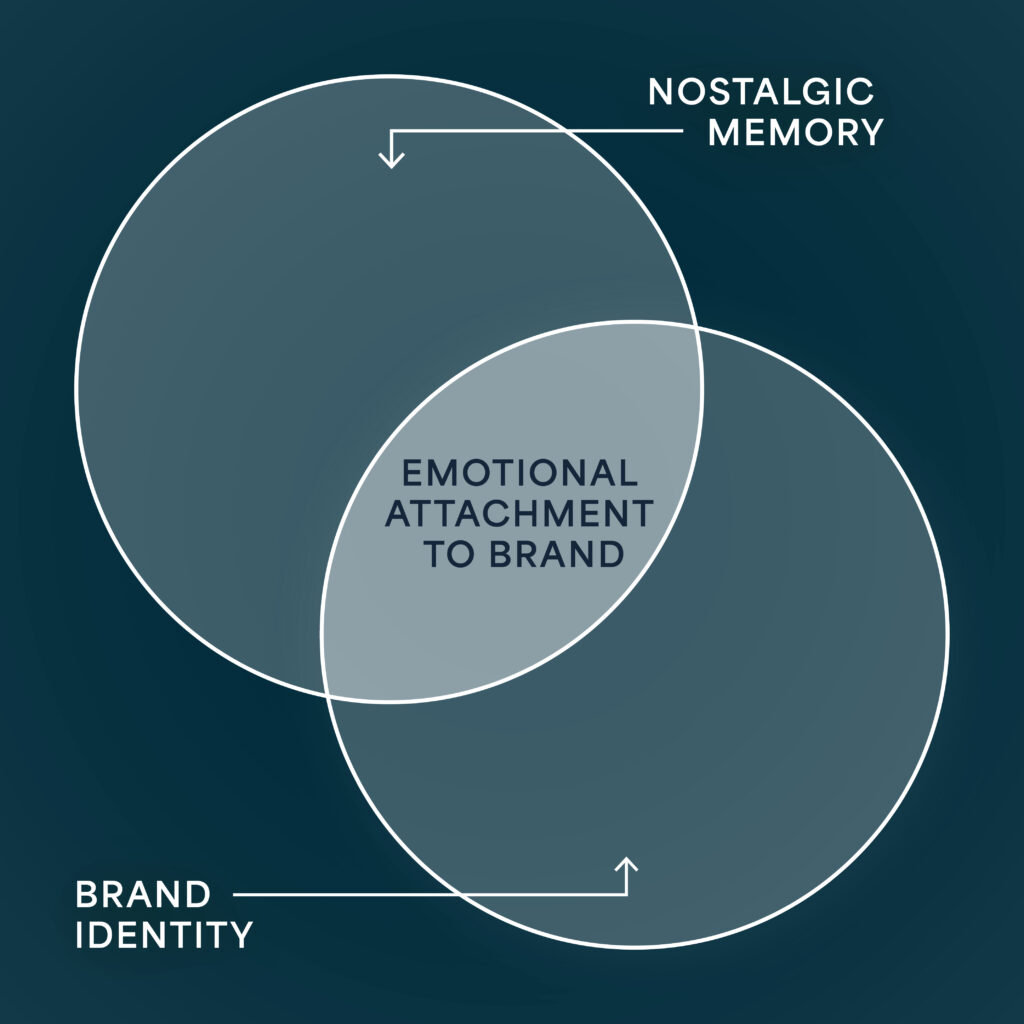
Nostalgic content continues to grow because it connects brands to emotion, trust and memory. Boston University AdClub and other supporting sources also state that consumers are 75 percent more likely to purchase when ads include a sense of nostalgia, and this type of content generates twice the emotional response of non-nostalgic messaging.
Sources explain that in 2025, retro commercial views on YouTube rose by 54 percent, showing increased interest in familiar visuals. Many consumers say nostalgic ads feel comforting during uncertain times, which helps build trust and reduce skepticism. By recalling familiar routines and simpler moments, nostalgic design creates warmth and recognition that set brands apart in a digitally dominated space.
Risks of Relying Too Heavily on Nostalgia
Nostalgia can lose its effect when it is treated as decoration rather than a supporting strategy. Campaigns focused too narrowly on a single era can miss younger audiences who do not share the same cultural reference points. Visual style should reinforce a message instead of replacing it. When design relies on nostalgia without relevance or research, the work can feel shallow or disconnected. Strong results depend on pairing familiar aesthetics with clear purpose and present-day meaning.
Following trends blindly isn’t useful for brands, but when trends are guided by strong target-audience research, they can become powerful tools. Nostalgic design is a clear example. When used intentionally, it allows brands to connect with specific audiences in meaningful, emotionally resonant ways.
Looking Ahead
Nostalgic design is a current trend, but it follows a pattern that has shaped creative work for generations. Visual styles tend to return in cycles, often reflecting the eras people associate with their early memories during periods of social or cultural change. What feels different today is the scale of its presence across design, media and digital platforms. References to the past now shape a wide range of campaigns rather than appearing in isolated moments. Nostalgia has always influenced design, but its role in contemporary culture is now more prominent than ever.
Want to Bring Nostalgic Design Into Your Next Campaign?
Lets discuss ways our team can help.
Sources include: Pew Research Center, Ipsos, AccelerantResearch, Mintel, Boston University AdClub, Envato, Think with Google, Nielsen and The Creative Newsletter By Lindsay Marsh.